
In my second year of university, I had exactly two financial options.
Ask my parents for extra money, which felt increasingly uncomfortable as I got older and understood what they were sacrificing, or find a way to earn something myself. A part-time job at a nearby shop was the obvious option, but the hours were fixed, the pay was low, and every shift I worked was a lecture I was either rushing back from or skipping altogether.
A classmate mentioned Fiverr almost in passing one afternoon. He had made around $40 the previous month writing product descriptions for a small online store. He was not bragging about it. He mentioned it the way you mention finding a good deal, casually, like it was not a big thing.
To me, it was a very big thing. $40 was more than a week of rickshaw fares, textbooks, and lunch combined.
I signed up that evening. I made my first $18 three weeks later. It was not life-changing money. But it was money I had earned on my own schedule, from my hostel room, without missing a single class.
If you are a student trying to figure out how to make freelancing work around your studies, not instead of them, this is written for you.
Why Fiverr Actually Works for Students
Before getting into the how, it is worth understanding why Fiverr fits student life better than most earning options.
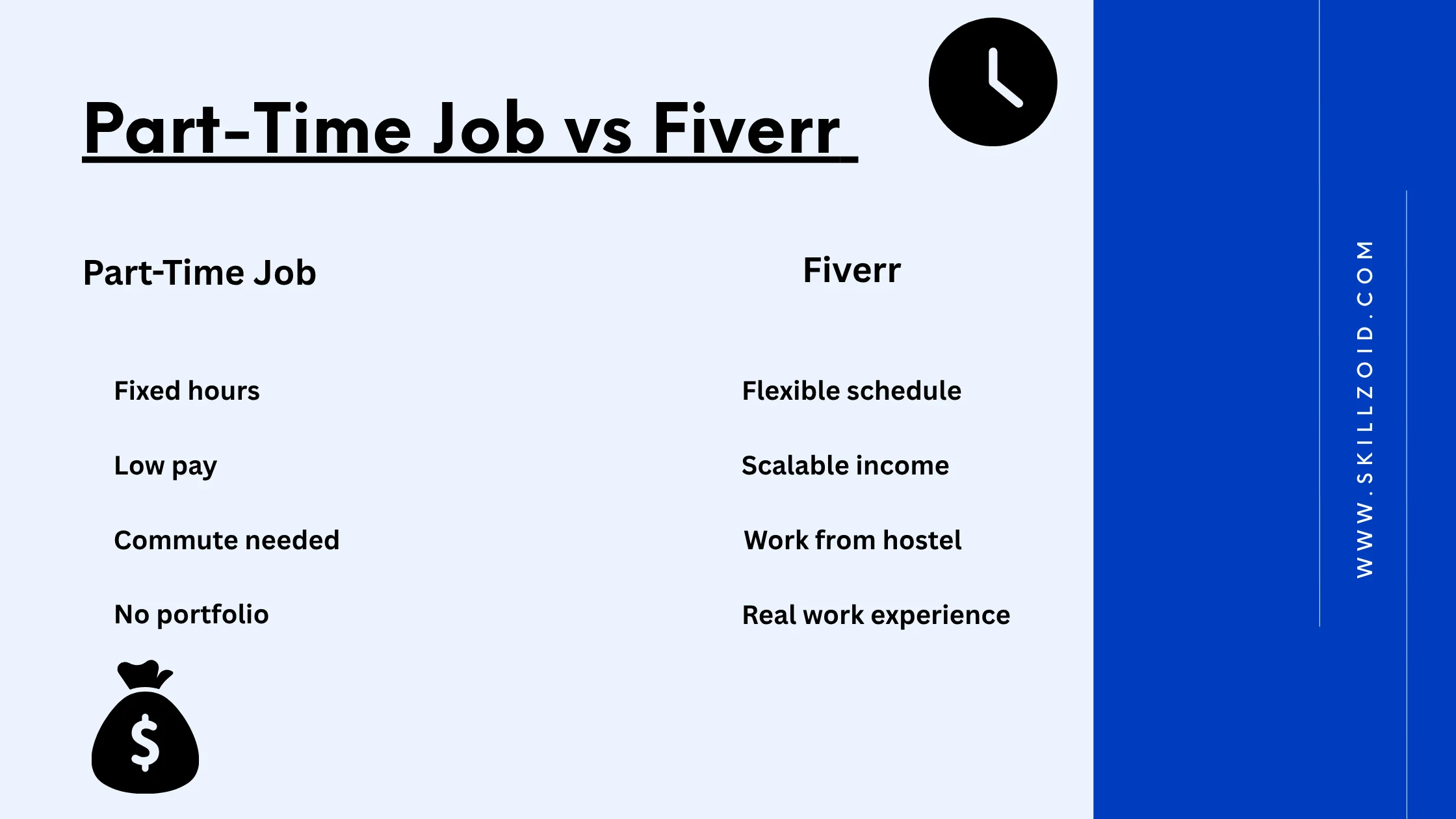
The schedule is yours. Unlike a part-time job with fixed shifts, you work when you have time. Finish an exam at noon? Spend two hours on an order. Have a brutal week of assignments? Pause and come back when things ease up. No one is calling you to come in.
The startup cost is zero. You do not need to invest money to start. A laptop, decent internet, and a marketable skill are enough. Most students already have all three without realising the third one.
Your student skills are more marketable than you think. This is the part that surprises most students the most. The things you do regularly as a student, writing essays, making presentations, analysing data, researching topics, building spreadsheets, designing posters for college events, are services that real businesses pay for on Fiverr every day.
You build a portfolio while you study. Every Fiverr project you complete is a real work sample. By the time you graduate, you will have a portfolio of actual client work, not just coursework, which puts you meaningfully ahead of peers who spent the same years waiting for their first internship.
Step 1: Find the Skill You Already Have
This is where most student guides tell you to “learn a high-income skill” before starting. That advice is well-meaning but practically backwards. Learning takes months. You can start earning this week with what you already know.
Sit down with a piece of paper, or just think through this honestly, and ask yourself:
What do people around me ask for my help with?
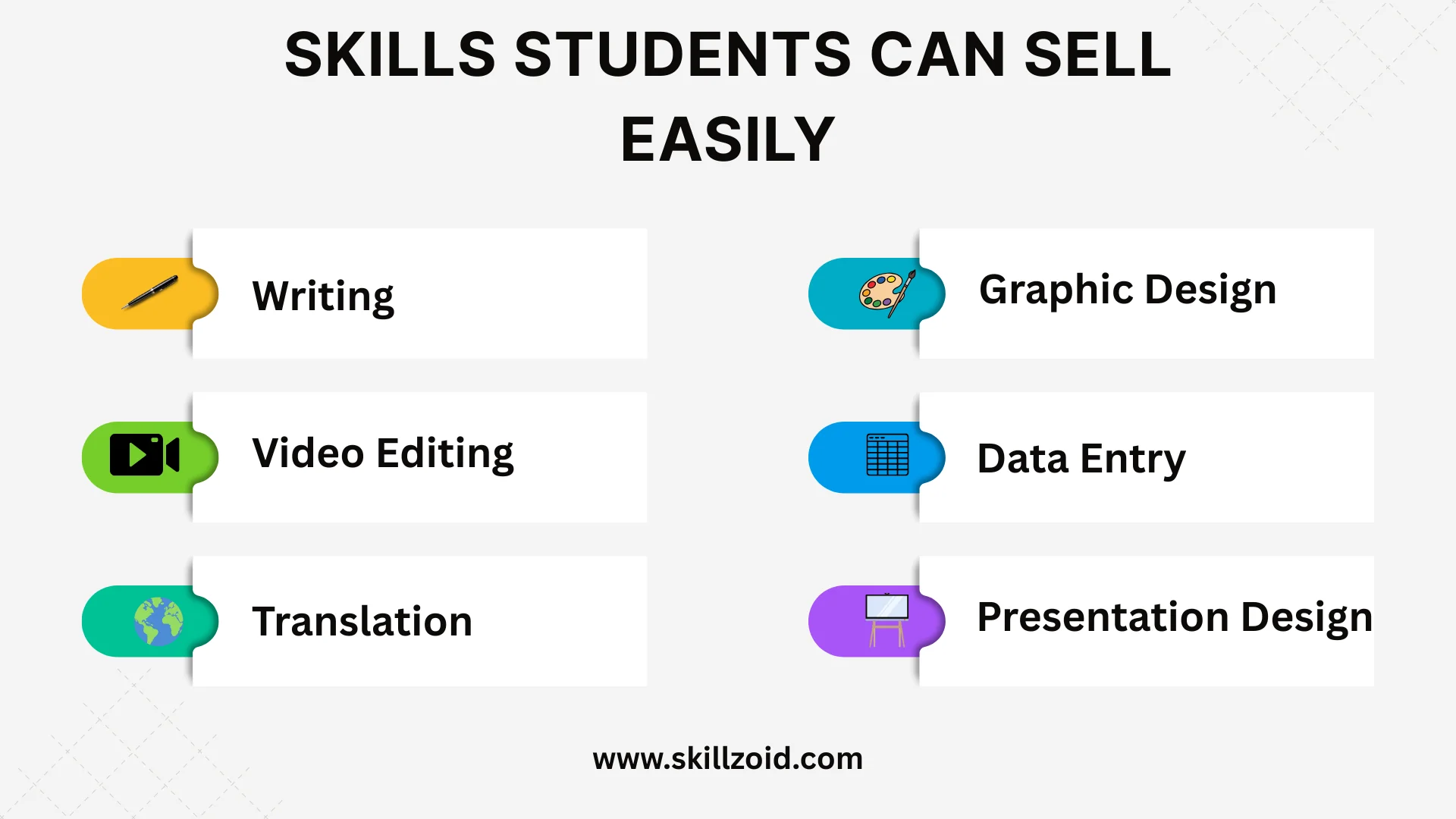
If your classmates keep asking you to proofread their assignments, you have writing and editing skills. If you have been designing posters for your college society for free, you have a graphic design skill. If you built a spreadsheet to track your expenses and friends thought it was impressive, you have a data organisation skill. If you speak two languages fluently, translation is a real, paying category on Fiverr.
Other skills students commonly undervalue: video editing (even basic CapCut-level editing is in demand for content creators), social media caption writing, voice-over recording if you have a clear speaking voice, transcription, basic WordPress troubleshooting, and presentation design.
None of these requires a degree or certification. They require being capable enough to deliver something useful to a real client.
Step 2: Set Up Your Profile Properly
Go to fiverr.com and create your account. Use a professional username; your actual name or a variation of it is best. Avoid usernames with numbers or random characters because they read as unprofessional.
Once your account is created, complete every section before you create your first gig.
Profile photo: Use your phone camera near a window for natural light. Wear something clean. Smile naturally. Plain background. Your face should be clearly visible. This is more important than most students realise; a clear, real face builds more trust than any logo or graphic.
Bio: Write two short paragraphs. The first explains what you do and who you help. The second can mention your academic background if it is relevant, a computer science student offering tech writing, an accounting student offering bookkeeping help, or a media student offering video editing. Your studies are a credibility signal, not a liability.
Do not write: “I am a student looking for work experience.” Write something like: “I am a computer science student with two years of practical experience in technical writing, currently helping small tech businesses communicate complex ideas in plain language.”
The difference is framing. Both are honest. One position you hold as a professional. The other positions you as a beginner looking for a favour.
Step 3: Create Your First Gig, Specific Beats Broad
The most common mistake student sellers make is creating a gig that offers too much.
“I will write anything, essays, blogs, social media, emails.”
That sounds flexible to you, but reads as unfocused to buyers. When someone needs a blog post written, they want to hire a blog post writer, not someone who also writes essays and emails on the side.
Be specific. A specific gig attracts specific buyers who are ready to order. A vague gig attracts nobody in particular.
Good examples for student freelancers:
- “I will write SEO blog posts for your health and wellness brand”
- “I will design clean PowerPoint presentations for your business pitch”
- “I will edit your YouTube or TikTok videos using CapCut or Premiere”
- “I will translate English documents to Urdu with native accuracy”
- “I will build a clean, organised spreadsheet for your data or budget”
For your gig title, use Fiverr’s search autocomplete to find the exact phrases buyers type. Those autocomplete suggestions are real searches from real buyers. Build your title around the most relevant one.
For your starting price: look at what Level 1 sellers with 10–20 reviews are charging in your category. Price at or slightly below that range to make it easier for your first buyers to take a chance on an unreviewed seller.
Step 4: Build a Portfolio Without Client Work
You cannot get orders without samples. You cannot get samples without orders. This is the catch every student hits immediately.
The solution is to create your own samples before your first order.
If you write: draft two or three short articles on topics in your niche and export them as PDFs. If you design: create mock projects for fictional brands, a fake café logo, a sample event poster, and three Instagram templates for a made-up clothing brand. If you edit a video: record yourself explaining something interesting, edit it as if it were a real client video, and upload the result as your portfolio piece.
These are real examples of your real work. Nobody expects a new seller to have ten paid client samples. They just want to see what your output looks like. Give them something worth seeing.
Step 5: Manage Your Time So Fiverr Does Not Eat Your Studies
This is the section most guides skip, but it is the most important one for students specifically.
Fiverr can genuinely consume more time than expected if you do not manage it with intention. An order comes in, the deadline is tomorrow, you panic, you stay up late, and your 9 AM lecture is ruined. That cycle will destroy both your grades and your enjoyment of freelancing quickly.
Three rules I followed that kept things balanced:
Set realistic delivery times. Fiverr lets you choose your delivery window. New sellers often choose 24 hours to seem faster than competitors. Do not do this unless you are genuinely certain you can deliver quality work in 24 hours, regardless of what else is happening in your week. Set 3 to 5 days for most gigs. Add a day or two as a buffer during exam season.
Use Fiverr’s vacation mode during exam periods. This is an actual feature in your Seller Dashboard. When you activate it, your gig goes temporarily inactive, no new orders come in, and you can focus on your studies without violating any deadlines. Turn it on two days before a major exam. Turn it off when the dust settles.
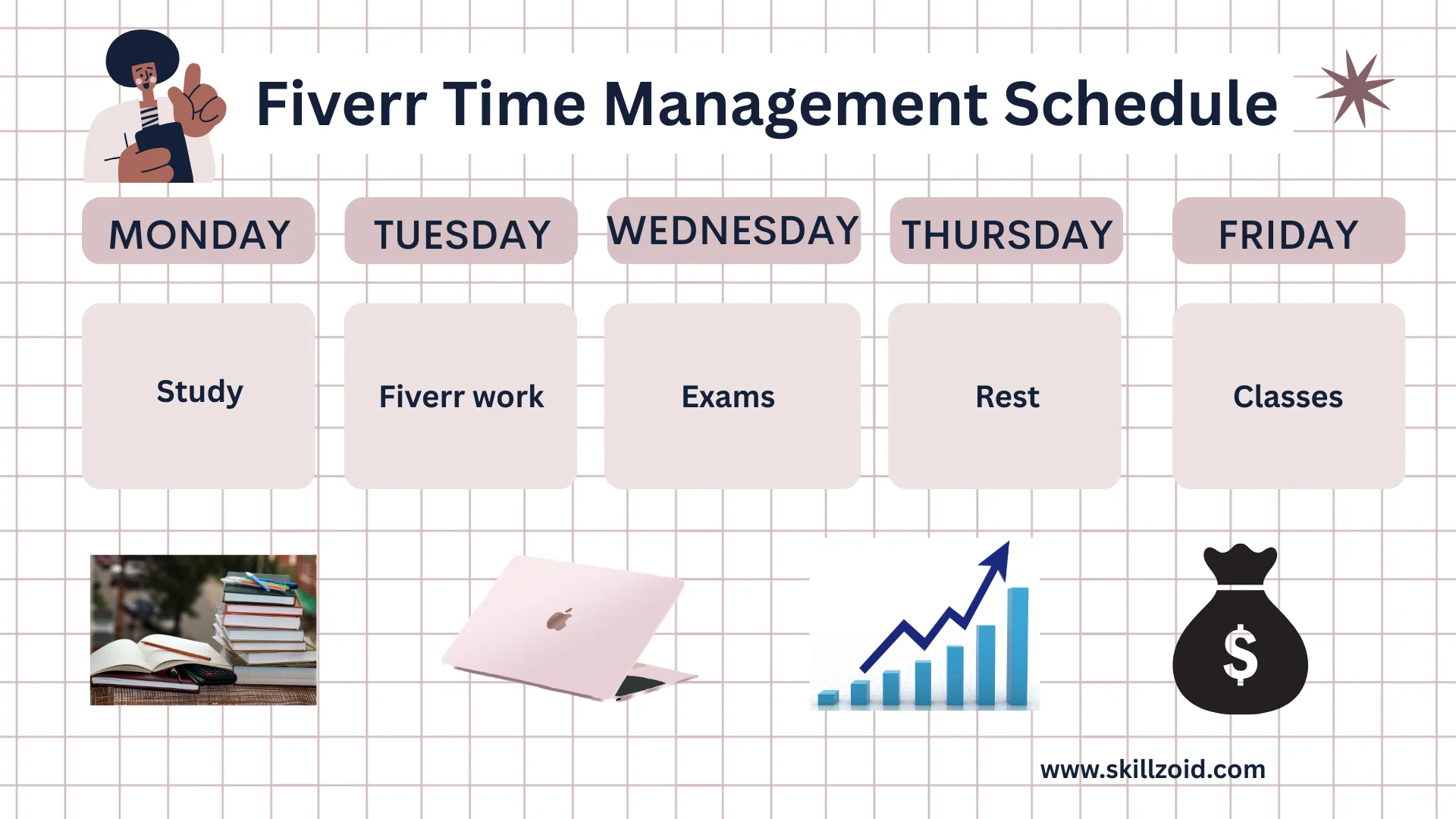
Block Fiverr time into your study schedule, not around it. Treat your Fiverr work like a class with a fixed time slot, two hours on Tuesday and Thursday evenings, for example. This stops it from bleeding into random parts of your day and makes it easier to be mentally present for both your studies and your client work.
Realistic Earnings: What Students Actually Make
I want to be direct here because vague income claims help nobody.
In your first month on Fiverr, earning anything at all is a win. Most new sellers wait two to four weeks for their first order. Do not judge the platform by your first month.
By month three, with consistent effort, checking Buyer Requests daily, maintaining your gig, delivering quality work, a student in a writing, design, or editing niche can realistically earn between $50 and $200 per month. That is not a salary. It is a meaningful side income that covers textbooks, transport, food, and phone bills.
By months six to twelve, with positive reviews and repeat clients, $200 to $500 per month is achievable for students who treat it seriously and pick a specific, in-demand niche.
The students who earn more are typically the ones who specialised early, delivered consistently, and built repeat client relationships rather than chasing one-time orders.
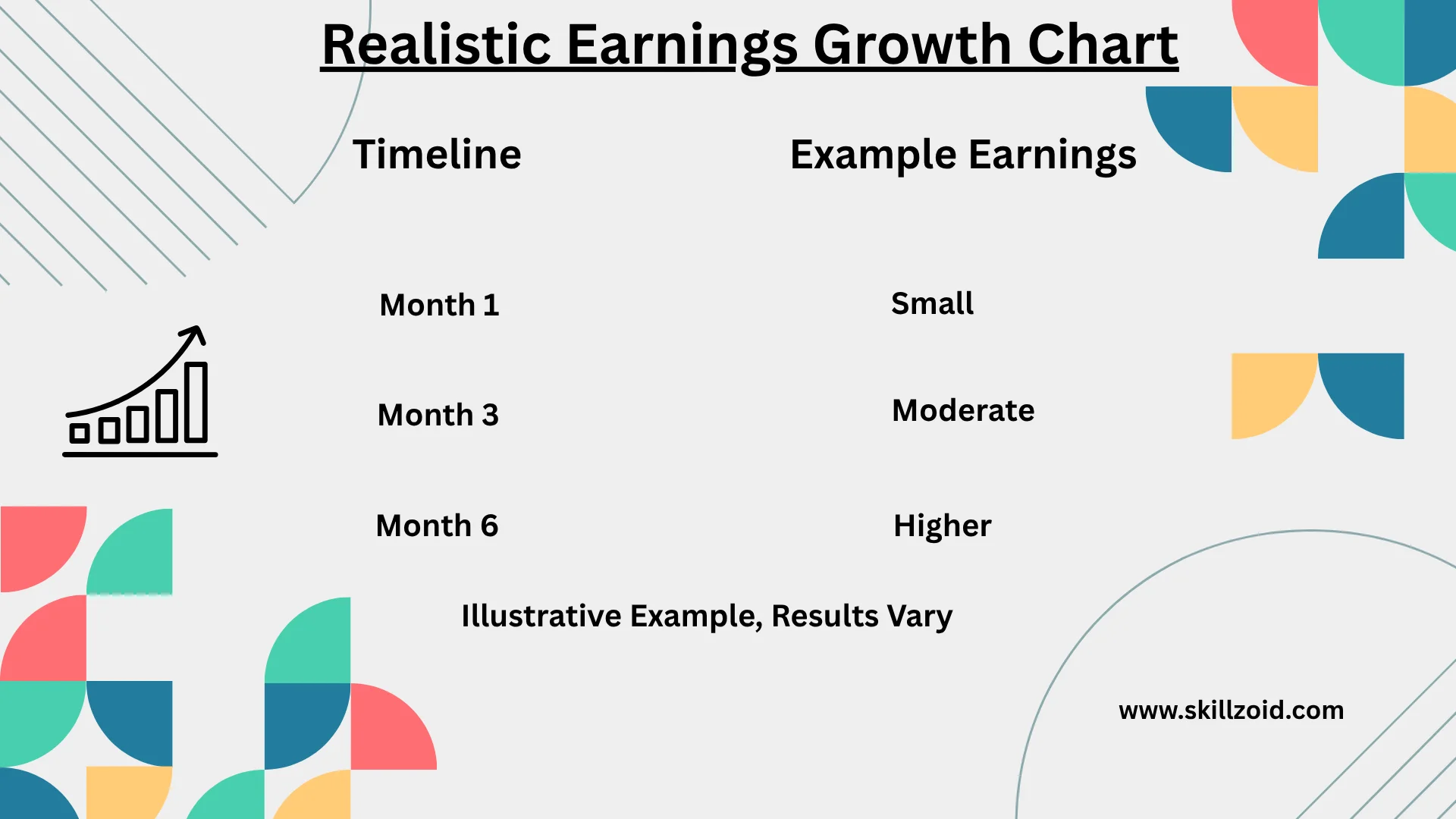
These are honest estimates based on realistic outcomes, not cherry-picked success stories designed to make you sign up for something.
Skills Students Can Start Offering Today
If you are still unsure what to offer, here is a starting list based on common student strengths:
Writing and editing: Blog posts, proofreading, academic English editing for non-native speakers, product descriptions, and email newsletters. If you write well in English, there is a consistent demand.
Presentation design: PowerPoint and Google Slides design for business pitches, student projects, and sales decks. Canva makes this accessible even without formal design training.
Video editing: Short-form content editing for YouTube, TikTok, and Instagram Reels. CapCut is free, powerful, and what most content creators are looking for.
Transcription: Converting audio or video to text. Requires good listening skills, accurate typing, and attention to detail. Pays per audio minute rather than per hour of your time.
Social media content writing: Captions, hashtag sets, and content calendars for small businesses. High demand, fast turnaround, and easy to build a repeatable system around.
Translation: If you speak two languages fluently, this is one of the most straightforward and consistently in-demand categories on the platform.
Data entry and spreadsheet work: Organising data, building trackers, and cleaning up messy Excel files. Not glamorous but consistently ordered by small business owners.
Mistakes to Avoid
Treating it like a get-rich-quick opportunity. The students who quit Fiverr in frustration are almost always the ones who expected significant income in their first two weeks. Build patiently. The income comes after the foundation does.
Accepting every order type out of desperation. If a buyer asks for something outside your skill set and you accept the order, hoping to figure it out along the way, you will likely deliver poor work, get a bad review, and damage your profile at the most critical stage. It is okay to decline orders that do not fit your skill.
Ignoring communication during an active order. Buyers notice when sellers go quiet mid-project. Even a brief message, “Working on this, will deliver on time”, maintains trust and prevents the anxiety that leads to negative reviews.
Not using Vacation Mode during finals. Delivering late orders during exam week is one of the most avoidable mistakes. Use the feature. It exists for exactly this situation.
Where This Can Go
Starting on Fiverr as a student is not just about the money you earn while studying. It is about what you are building in parallel with your degree.
By the time you graduate, you will have real client experience, a reviewed portfolio, an understanding of how to price and deliver professional work, and an income history on a global platform. That combination is rare among fresh graduates, and it makes a visible difference when you are applying for jobs or considering full-time freelancing.
The $18 I made from my first Fiverr order did not change my financial situation. But it proved something to me that I carried forward: I could create something valuable and have a stranger pay me for it.
Everything that came after started from that moment.
Start with one gig. Make it specific. Deliver it well. The rest builds from there.
Disclaimer
Earnings on Fiverr vary based on skill, niche, consistency, and market demand. The income figures mentioned above reflect realistic outcomes based on experience and observation, not guarantees. Treat any income claim you encounter online with appropriate scepticism.
If you want to get hired fast on Fiverr, read this guide: Ultimate Fiverr Portfolio Guide: Get Hired Faster in 2026.
Taha Sohail is a professional blogger and cyber engineer who started freelancing during his university years. He writes practical, experience-based guides for students and beginners navigating online income platforms.




One Comment on “Fiverr Freelancing for Students: Earn While Studying (Step‑by‑Step) in 2026”